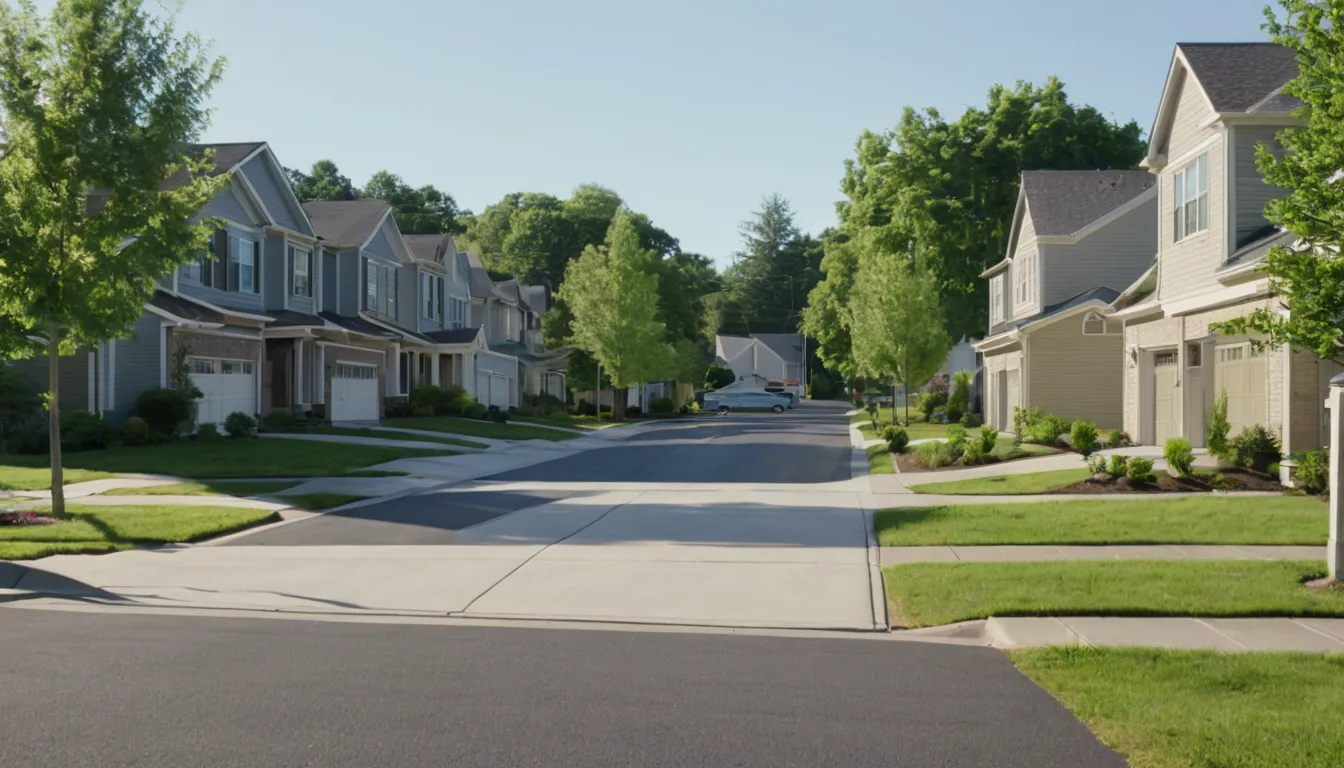
Concrete Driveways in Candler-McAfee: First Steps and Straight Facts
Request an estimate from a provider
A new driveway is a big choice, and Candler-McAfee homeowners deserve straight talk. Prabvisa Concrete does not pour concrete. It is a referral service that links you with independent providers in the Lawrenceville area. This page walks through what to do first, which common ideas are wrong, how to keep records, and how to protect a slab once it is in. Know your options, then pick your path.
Start here: the first hour
Say a storm just passed. You step outside and see a split in the driveway, or a patio corner that dropped. Take a breath. Then do these things.
- Look, but do not poke. Keep your weight off any slab that moves.
- Take photos from three spots: far away, close, and very close.
- Find the water. Is a downspout dumping on the slab? Is a puddle sitting there? Move a hose or splash block so water drains away.
- Note the time, the weather, and anything heavy that sat on the slab.
- Set a bucket or cone on the spot so no one trips.
Small stuff can wait for daylight and a plan. Loose chunks, a trip hazard, or a slab tilting toward the house? Talk to a provider soon. Request a callback to check provider availability in Candler-McAfee.
Myths and facts
A few ideas float around about concrete. Some cost homeowners money.
- Myth: A hairline crack means the slab is ruined. Fact: Concrete shrinks as it dries, so thin cracks are common. Watch them. If they widen, act.
- Myth: Concrete is rock-hard, so it needs no care. Fact: It is porous, like a hard sponge. Water and salt soak in. Sealing helps.
- Myth: Any driveway crack means a foundation problem. Fact: Most drive cracks come from the surface or the soil. If cracks show up in indoor walls or brick, ask foundation repair experts to look.
- Myth: Stamped concrete is just paint. Fact: Stamped concrete patios get a pattern pressed in while wet, then color and sealer. They need resealing over time.
- Myth: A low price means a good deal. Fact: Compare what each quote includes: base, thickness, joints, and sealing.
- Myth: Any hot day is a fine day to pour. Fact: Heat and humidity make concrete set fast. Providers plan around both.
Insurance and your records
Here is the short version. Some policies may cover sudden damage, such as a fallen tree or a burst pipe. Wear from age usually is not covered. Check your policy, and ask your insurer what it needs.
Providers can often help document damage for a claim. Help them by keeping one folder with:
- Dated photos, before and after
- Written quotes and scope notes
- Receipts and invoices
- Notes on storms or events
A tidy folder also helps when you compare providers side by side.
Keep it from happening again
Think in seasons. In spring, look for new cracks after wet weather. In summer, keep sprinklers off the edges. In fall, clear leaves and check gutters. In winter, use a plastic shovel. Ask your provider which de-icers are safe, especially on new concrete.
Regional weather matters. Thunderstorms and the leftovers of tropical systems dump a lot of water fast. A slab with good slope and a solid gravel base handles that better. Brick and vinyl siding homes can show water stains near the ground when runoff pools. That is an early sign. Spot it early.
After a pour, ask how long to keep cars and heavy items off. Ask when to seal. Write the dates down.
Costs vary by job. Plain concrete often runs about $6 to $15 per square foot in the U.S., and stamped work costs more. Get a written quote before you agree to anything.
DIY: green light and red light
Green light, fine to try yourself:
- Sweeping and rinsing a slab
- Filling a very thin crack with store-bought filler
- Applying a sealer your provider recommends
- Moving a downspout extender
Red light, call a provider:
- Sunken or raised sections
- Wide or branching cracks
- Crumbling edges
- Any new pour, big or small
Concrete flatwork is flat slab work: drives, walks, and pads. It needs forms, which are frames that hold wet concrete in place, plus a steady crew and fast finishing. Concrete driveway repair on a large area is the same story. Leave it to a pro.
Not sure which light you are in? Request a callback and ask a local provider what they would look at first.
Our Services in Candler-McAfee
Why Candler-McAfee Chooses Prabvisa Concrete
Straight facts, no sales pitch
Our pages for Candler-McAfee use short words and honest answers, so you can sort fact from myth before you talk to anyone.
Real local providers
Providers in our network are independent businesses in the Lawrenceville area. They pour and finish the concrete.
A calm first-hour checklist
When something looks wrong, you get simple steps to follow: look, photograph, redirect water, and note the details.
Clear records, easier quotes
A tidy folder of photos and written quotes helps you compare providers and supports any claim you choose to make.
Ask a Local Provider Your Questions
- Plain-English guide to your choices
- Independent local providers
- Clear next steps
- No obligation
Nearby Areas We Serve
Druid Hills Milton Lawrenceville Redan Johns Creek Dunwoody Decatur Druid Hills
Get in touch
Request a callback to check provider availability, or send your project details and request an estimate. No obligation.
No obligation